How to Care for Neocaridina Shrimp: Complete Beginner to Advanced Guide
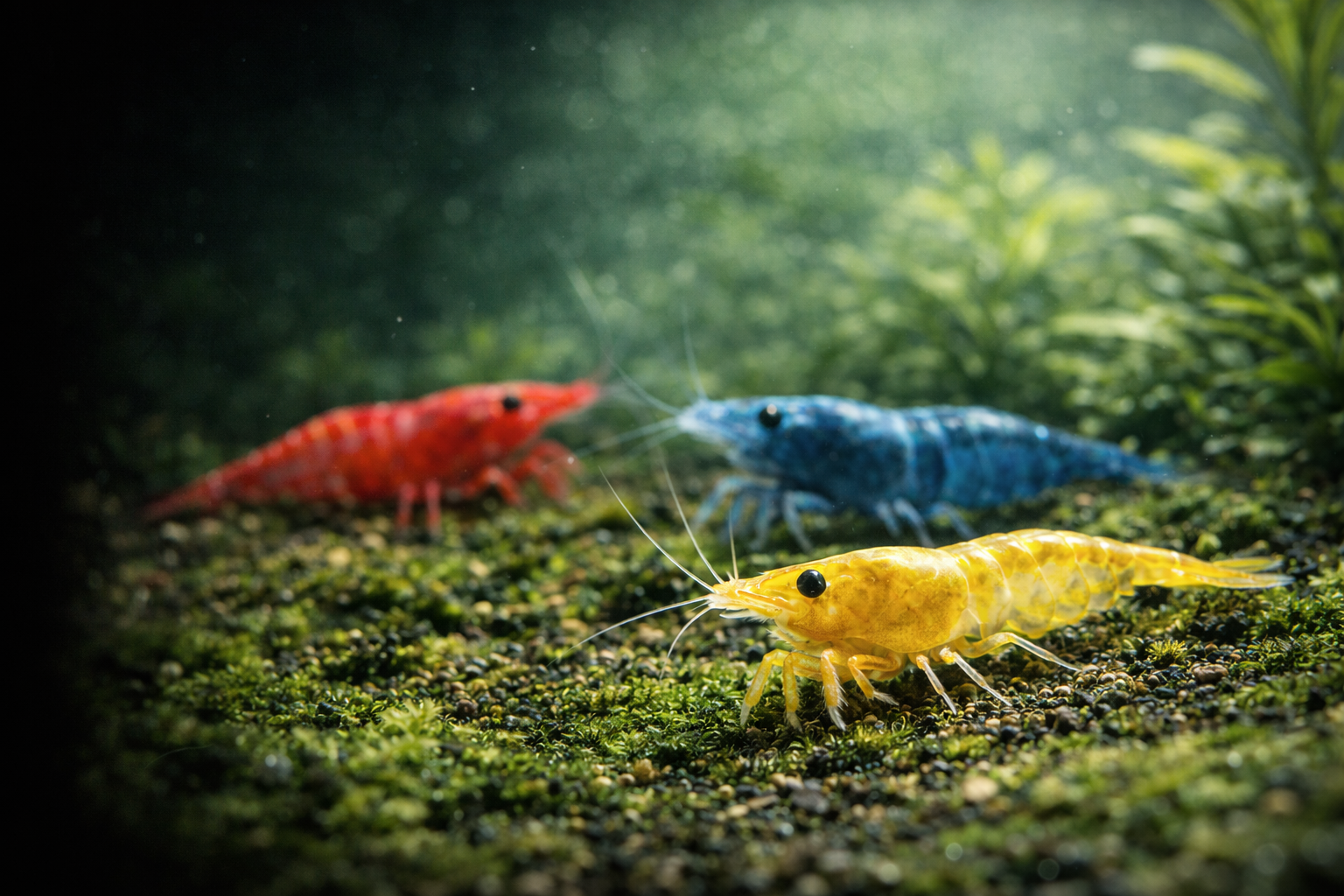
Keeping Neocaridina shrimp is one of the most rewarding experiences in the freshwater aquarium hobby. Known for their vibrant colors, peaceful nature, and relatively hardy temperament, Neocaridina shrimp are ideal for both beginners and experienced aquarists. However, despite their adaptability, proper care is essential to ensure long-term health, breeding success, and colony stability.
Understanding their environmental needs is the foundation of successful shrimp keeping. Neocaridina shrimp thrive in stable aquariums with consistent water parameters. The ideal temperature range is between 20–26°C (68–78°F), with a pH between 6.5 and 7.5. Ammonia and nitrite must always remain at zero, as even small amounts can be fatal. Nitrate should be kept below 20 ppm. Stability is far more important than chasing “perfect” numbers. Sudden fluctuations in temperature, pH, or total dissolved solids (TDS) are often more harmful than slightly imperfect but stable conditions.
A properly cycled tank is critical before introducing shrimp. The nitrogen cycle allows beneficial bacteria to convert toxic ammonia into nitrite and then into nitrate. Without this biological filtration, shrimp are extremely vulnerable to water toxicity. Ideally, the aquarium should be running for several weeks and demonstrate stable test results before shrimp are added.
Tank setup plays an equally important role in shrimp care. A planted aquarium is highly recommended because plants provide natural surfaces for biofilm growth, which serves as a primary food source. Mosses, carpeting plants, and driftwood create grazing areas and hiding spaces, reducing stress and encouraging natural behavior. Sponge filters are often preferred because they provide gentle filtration without the risk of sucking in baby shrimp, while also offering additional biofilm surfaces.
Feeding Neocaridina shrimp properly is essential but often misunderstood. These shrimp are constant grazers and consume algae, biofilm, and microscopic organisms present in a mature tank. Supplemental feeding should be light and controlled. High-quality shrimp pellets or specialized shrimp foods can be offered several times per week in small amounts. Overfeeding is one of the most common causes of water quality deterioration and shrimp loss. Uneaten food should be removed within a few hours to prevent ammonia spikes.
Mineral balance is another crucial aspect of care. Neocaridina shrimp require adequate calcium and general hardness (GH) to molt successfully. Molting is a natural process where shrimp shed their exoskeleton to grow. If mineral levels are too low or water conditions fluctuate significantly, molting problems can occur, sometimes leading to death. Maintaining consistent GH and avoiding sudden large water changes helps ensure smooth molting cycles.
Acclimation is especially important when introducing new shrimp to your aquarium. Shrimp are highly sensitive to changes in water chemistry. Drip acclimation over one to two hours allows them to gradually adjust to new conditions, significantly reducing stress and increasing survival rates. Rushing this process can result in shock and early losses.
Neocaridina shrimp are peaceful and generally compatible with other calm community species. However, larger or aggressive fish may prey on them or cause chronic stress. Many hobbyists prefer species-only shrimp tanks to maximize breeding and colony growth. In stable conditions with adequate food and hiding spaces, Neocaridina shrimp reproduce readily. Females carry eggs under their abdomen, and baby shrimp hatch fully formed, requiring no special care beyond a mature, biofilm-rich environment.
Routine maintenance should focus on stability rather than frequent drastic changes. Small weekly water changes of 10–20%, using dechlorinated water that closely matches tank temperature and TDS, are ideal. Testing water parameters regularly helps detect potential issues before they become serious problems.
In conclusion, caring for Neocaridina shrimp is less about complexity and more about consistency. Stable water parameters, a mature planted environment, proper feeding, and careful acclimation create the foundation for a thriving colony. When these fundamentals are maintained, Neocaridina shrimp not only survive but multiply and display their vibrant colors at their best.