Why Are My Shrimp Dying? A Complete Guide to Understanding and Preventing Shrimp Loss
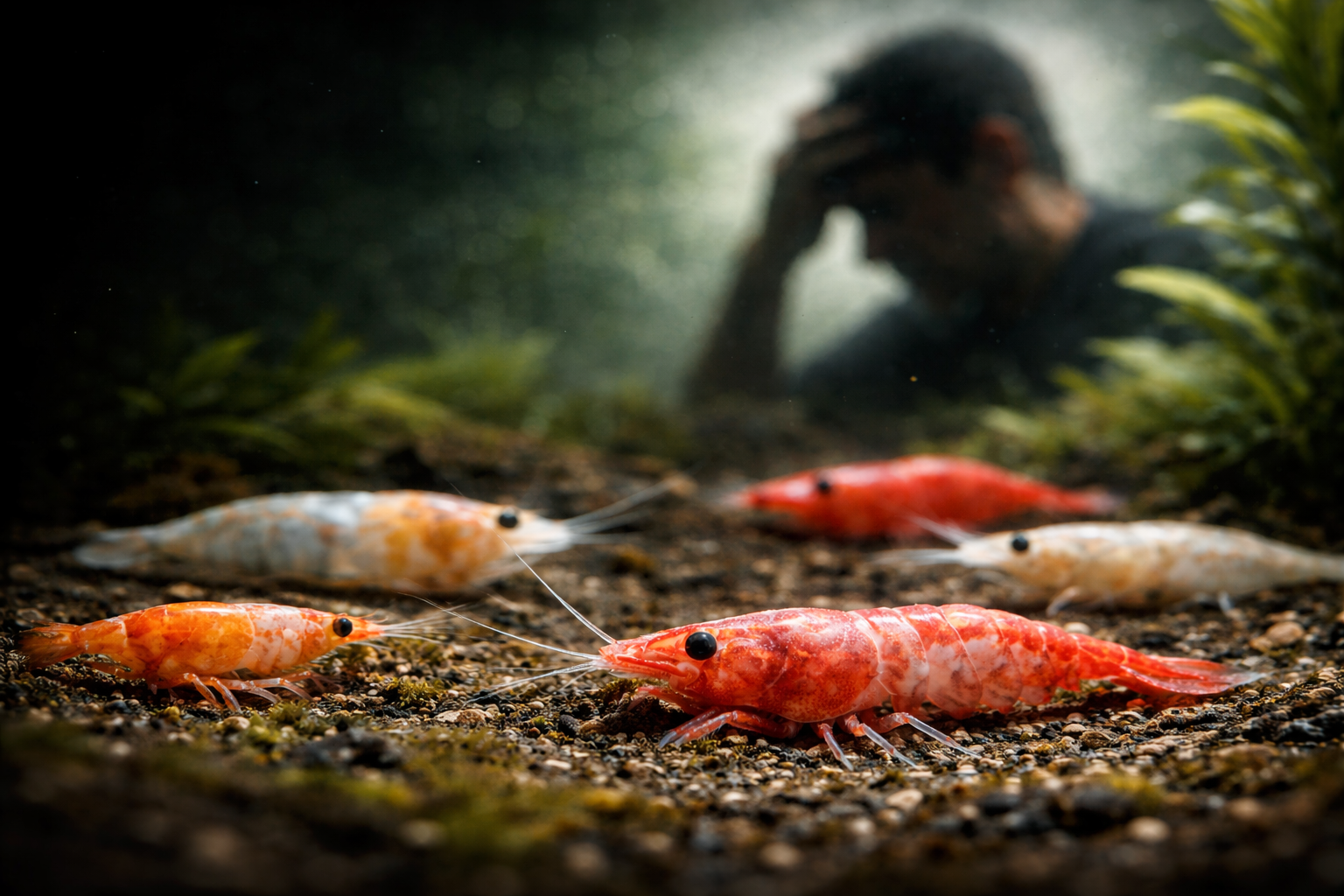
Discover the most common reasons aquarium shrimp die and learn how to prevent losses with proper water parameters, acclimation techniques, and expert shrimp care advice.
Keeping freshwater shrimp can be an incredibly rewarding experience. Their vibrant colors, peaceful behavior, and natural algae-cleaning ability make them a favorite among aquarium hobbyists. However, shrimp are far more sensitive than most fish, and unexplained deaths can occur if even minor environmental conditions are unstable. If you have recently found yourself asking why your shrimp are dying, the issue is almost always related to water quality, acclimation stress, or sudden environmental changes.
Understanding the root cause is essential for preventing future losses and maintaining a healthy, thriving shrimp colony.
One of the most common causes of shrimp death is poor water parameters. Shrimp are extremely sensitive to ammonia and nitrite, both of which should always remain at zero. Even small traces can be fatal. Nitrate should be kept below 20 ppm, and stable pH levels between 6.5 and 7.5 are generally ideal for most freshwater species. Temperature stability is equally important, with most varieties thriving between 20–26°C (68–78°F). Species such as the Cherry shrimp and the Amano shrimp are particularly sensitive to sudden parameter shifts. Regular water testing and consistent maintenance are critical to long-term success.
Another major reason shrimp die is due to introducing them into an uncycled tank. A properly cycled aquarium contains beneficial bacteria that convert toxic ammonia into nitrite and then into nitrate through the nitrogen cycle. Without this biological filtration process, toxins accumulate rapidly and create a lethal environment. Many beginners unknowingly add shrimp to newly set up tanks, only to experience unexpected losses within days. Ensuring the tank is fully cycled before adding livestock is one of the most important preventive measures.
Improper acclimation is another frequent cause, especially when shrimp are shipped. During transport, shrimp experience stress, temperature fluctuations, and changing water chemistry. Placing them directly into a tank without gradual acclimation can shock their system. Drip acclimation is widely considered the safest method, allowing tank water to mix slowly with shipping water over the course of one to two hours. This gradual transition significantly reduces stress and increases survival rates.
Water contaminants, particularly copper, can also be deadly to shrimp. Copper is commonly found in some medications and can leach from older plumbing systems into tap water. While small amounts may not harm fish, shrimp are extremely vulnerable to even trace levels. Using a high-quality water conditioner that neutralizes heavy metals and avoiding non–shrimp-safe medications can prevent accidental poisoning.
Temperature instability is another overlooked factor. Shrimp do not tolerate sudden fluctuations well. Heater malfunctions, cold drafts, or direct sunlight hitting the tank can cause rapid temperature swings that lead to stress and death. Maintaining a stable environment with a reliable heater and proper tank placement is essential.
Overfeeding is a surprisingly common mistake among shrimp keepers. Excess food decomposes in the tank, producing ammonia and degrading water quality. Shrimp primarily feed on biofilm, algae, and microscopic organisms present in a mature tank. Supplemental feeding should be minimal and carefully monitored. Uneaten food should be removed within a couple of hours to prevent water contamination.
Molting problems can also lead to shrimp deaths. Shrimp must shed their exoskeleton to grow, and this process requires stable mineral levels, particularly adequate calcium and proper general hardness (GH). If mineral levels are too low or water parameters fluctuate significantly, shrimp may fail to molt successfully. This condition is often indicated by a visible white ring around the body before death. Maintaining consistent mineral balance is crucial for healthy molting cycles.
Tank mates can contribute to stress and mortality as well. Certain fish species may prey on shrimp or intimidate them to the point of chronic stress. Even if shrimp are not directly eaten, constant harassment weakens their immune system. Peaceful tank mates or species-only shrimp tanks are generally the safest option for long-term colony health.
It is also important to recognize that shrimp have relatively short lifespans. Most freshwater shrimp live between one and two years. If an otherwise healthy adult shrimp dies without warning, natural aging may be the cause. However, repeated deaths within a short period usually indicate an environmental issue rather than old age.
Large or sudden water changes can also shock shrimp. Replacing significant portions of water without matching temperature and total dissolved solids (TDS) can create rapid environmental shifts. Smaller, consistent water changes of 10–20% per week are far safer and help maintain stability.
In conclusion, shrimp deaths are rarely random. In most cases, they are the result of unstable water parameters, inadequate acclimation, toxins, or environmental stress. The key to successful shrimp keeping is consistency. Stable water conditions, proper cycling, careful feeding, and gradual acclimation create an environment in which shrimp not only survive but thrive and reproduce.
When a shrimp dies, it is important to test water parameters immediately and evaluate recent changes in the aquarium. Identifying the cause quickly can prevent further losses and restore balance to the tank. With proper care and attention to stability, maintaining a healthy shrimp colony is entirely achievable.