10 Mistakes Killing Your Shrimp (Avoid These!)
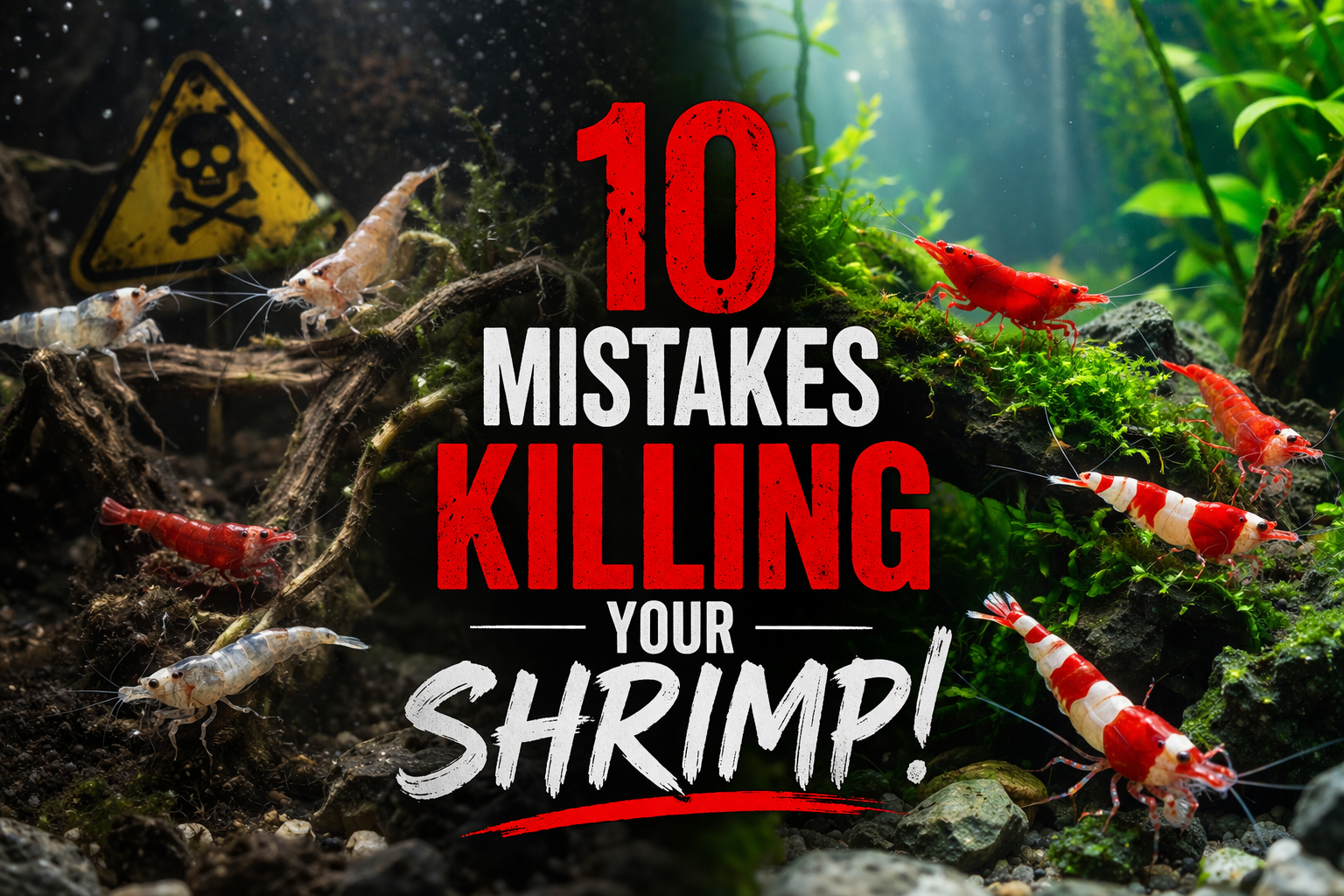
Keeping freshwater shrimp can be incredibly rewarding—but it can also be frustrating when shrimp start dying without obvious reasons. Whether you're a beginner or experienced aquarist, small mistakes can silently wipe out your colony.
In this guide, we’ll break down the top 10 mistakes that are killing your shrimp and how you can avoid them to keep your shrimp healthy, active, and breeding.
❌ 1. Poor Water Quality
Shrimp are extremely sensitive to water conditions. Even slight changes can stress or kill them.
Common Issues:
High ammonia or nitrite
Sudden pH swings
Dirty tank
✅ Solution:
Test water regularly
Perform weekly water changes (10–20%)
Use a reliable water conditioner
❌ 2. Not Cycling the Tank
Adding shrimp to an uncycled tank is one of the biggest beginner mistakes.
Why it’s dangerous:
Beneficial bacteria aren’t established yet, leading to toxic ammonia spikes.
✅ Solution:
Cycle your tank for 3–4 weeks before adding shrimp
Use beneficial bacteria supplements if needed
❌ 3. Overfeeding
More food doesn’t mean happier shrimp—it means polluted water.
Signs of overfeeding:
Uneaten food
Cloudy water
Sudden deaths
✅ Solution:
Feed small amounts once a day
Remove uneaten food after 2–3 hours
❌ 4. Sudden Water Changes
Shrimp hate sudden changes in temperature, TDS, or pH.
What happens:
They go into shock and may die within hours.
✅ Solution:
Always match temperature and parameters
Drip acclimate new shrimp slowly
❌ 5. Wrong Tank Mates
Not all fish are shrimp-friendly.
Dangerous tank mates:
Aggressive fish
Fish that eat small shrimp or babies
✅ Solution:
Keep shrimp-only tanks or choose peaceful species
Provide hiding spots like moss and caves
❌ 6. Lack of Plants & Hiding Spots
Shrimp need a safe environment to feel secure and thrive.
Without hiding spots:
Stress increases
Baby shrimp survival drops
✅ Solution:
Add live plants like Java moss
Use driftwood, rocks, and shrimp shelters
❌ 7. Using Tap Water Without Treatment
Tap water often contains chlorine and heavy metals.
Result:
Toxic environment for shrimp.
✅ Solution:
Always use a water conditioner
Consider RO water with remineralization for sensitive species
❌ 8. High Temperature
Shrimp prefer stable, moderate temperatures.
Too hot = danger:
Low oxygen levels
Faster metabolism = shorter lifespan
✅ Solution:
Keep temperature between 20–26°C
Use a fan or chiller in hot weather
❌ 9. Ignoring TDS & GH/KH Levels
Water hardness plays a huge role in shrimp health, especially for molting.
Problems caused:
Failed molts
Weak shells
Deaths
✅ Solution:
Monitor TDS, GH, and KH regularly
Use shrimp-specific minerals if needed
❌ 10. Adding Chemicals or Medications
Many aquarium treatments are shrimp killers.
Examples:
Copper-based medications
Certain algae treatments
✅ Solution:
Always check if products are shrimp-safe
Avoid unnecessary chemical use
🦐 Final Thoughts
Shrimp are not “hard” to keep—but they are sensitive. Most shrimp deaths happen due to small, preventable mistakes.
If you:
✔ Maintain stable water parameters
✔ Feed properly
✔ Provide a natural environment
👉 You’ll see your shrimp not just survive—but thrive and multiply.
🚀 Bonus Tip (For Buyers)
If you're buying shrimp online, always choose healthy, high-quality stock and acclimate them properly after delivery.
📌 Need Healthy Freshwater Shrimp?
At Seamaosis, we provide:
Premium quality live shrimp 🦐
Carefully packed & shipped
Perfect for beginners and experts
👉 Browse our collection and start your shrimp journey today!